
Back to the illustration

Wildlife - Birds

Great Spotted Woodpecker

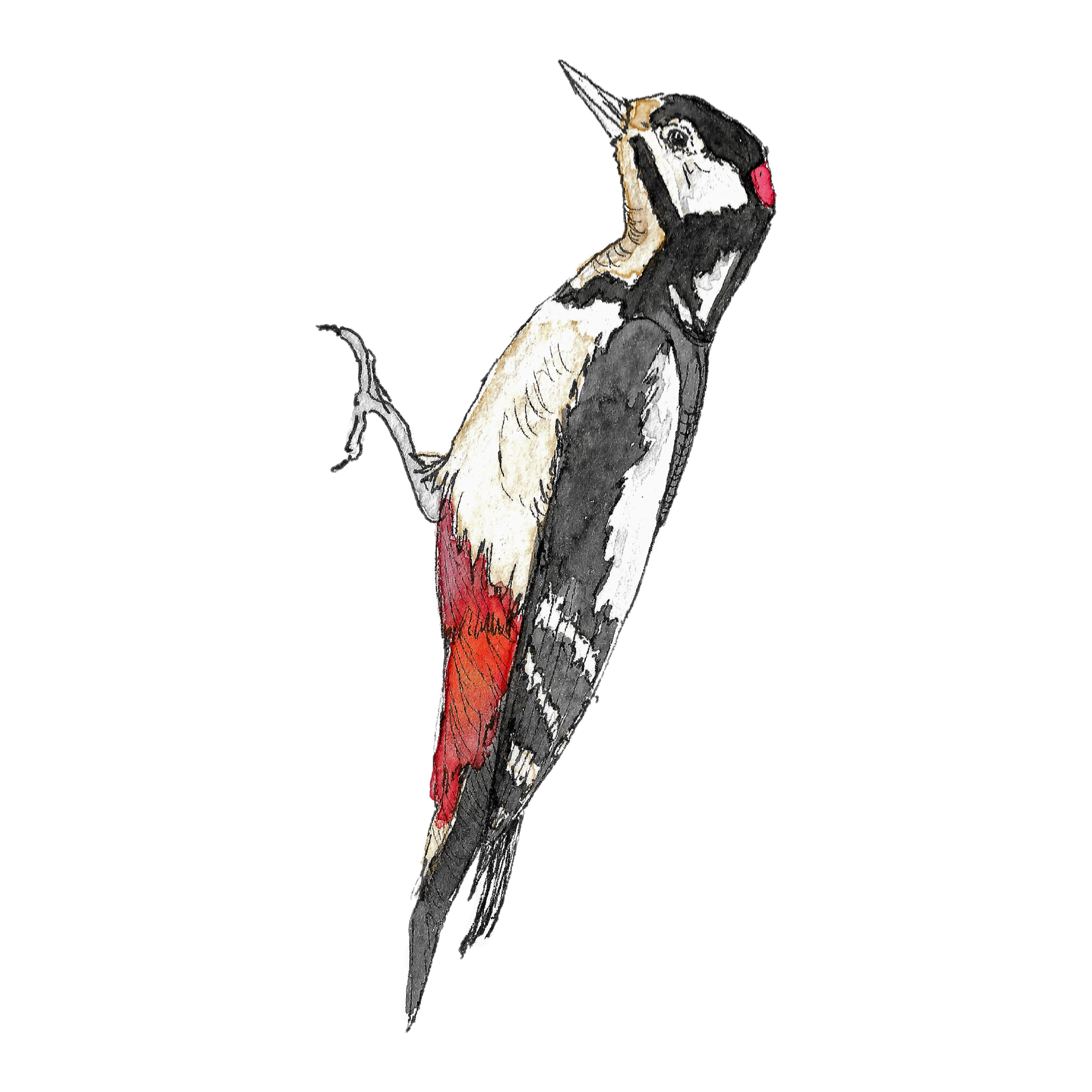
The most common of the UK's three woodpecker species, recognisable by its bold black-and-white plumage and crimson undertail. Its rapid drumming is one of the distinctive sounds of a healthy woodland.

Species description adapted from RSPB and BTO references - see links below.

Status: Green (stable)North Yorkshire species profileGo to Wildlife Identification
Watercolour illustration of a great spotted woodpecker clinging upright

Birds - Photo ID

Great Spotted Woodpecker - photo identification

A bold black-and-white woodpecker with bright red undertail coverts and, in adult males, a red patch on the nape. These photos also document avian pox lesions - wart-like growths caused by a bird-specific virus that can sometimes interfere with feeding, sight and survival.

Photographs by Rob - taken in and around the North York Moors.

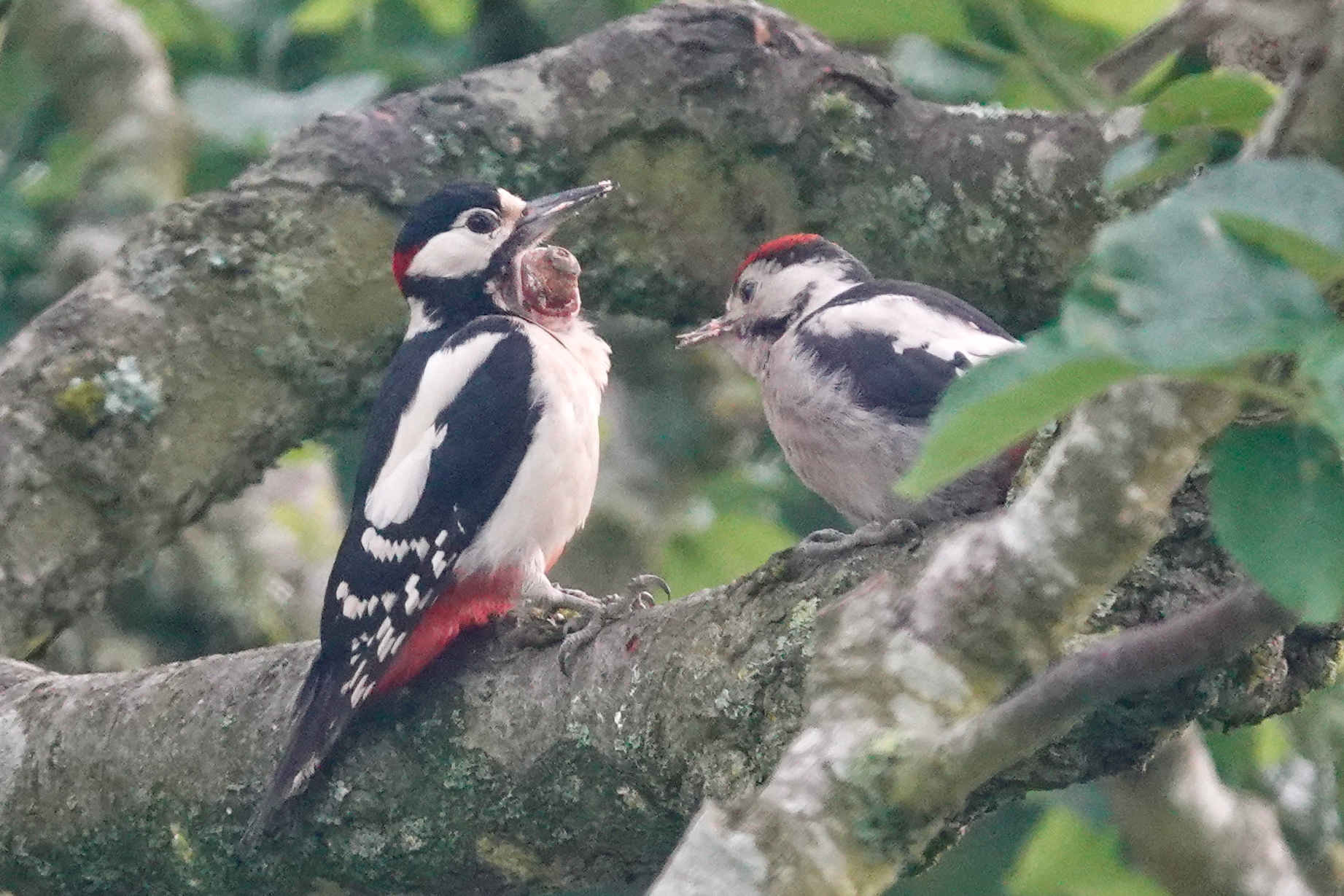
Male Great Spotted Woodpecker with a large avian pox lesion beside the beak while feeding a fledgeling

Adult male feeding a fledgeling despite a severe lesion

This male Great Spotted Woodpecker shows the classic species pattern - glossy black upperparts, broad white shoulder patches, white cheeks split by black markings, and a bright red vent. He also has a very large tumour-like lesion beside the beak, consistent with avian pox. Garden Wildlife Health notes that avian pox causes warty growths that may be grey, pink, red or yellow, and in severe cases can impede a bird's ability to see, feed or move. What makes this image especially striking is that the adult is still managing to feed the young bird.

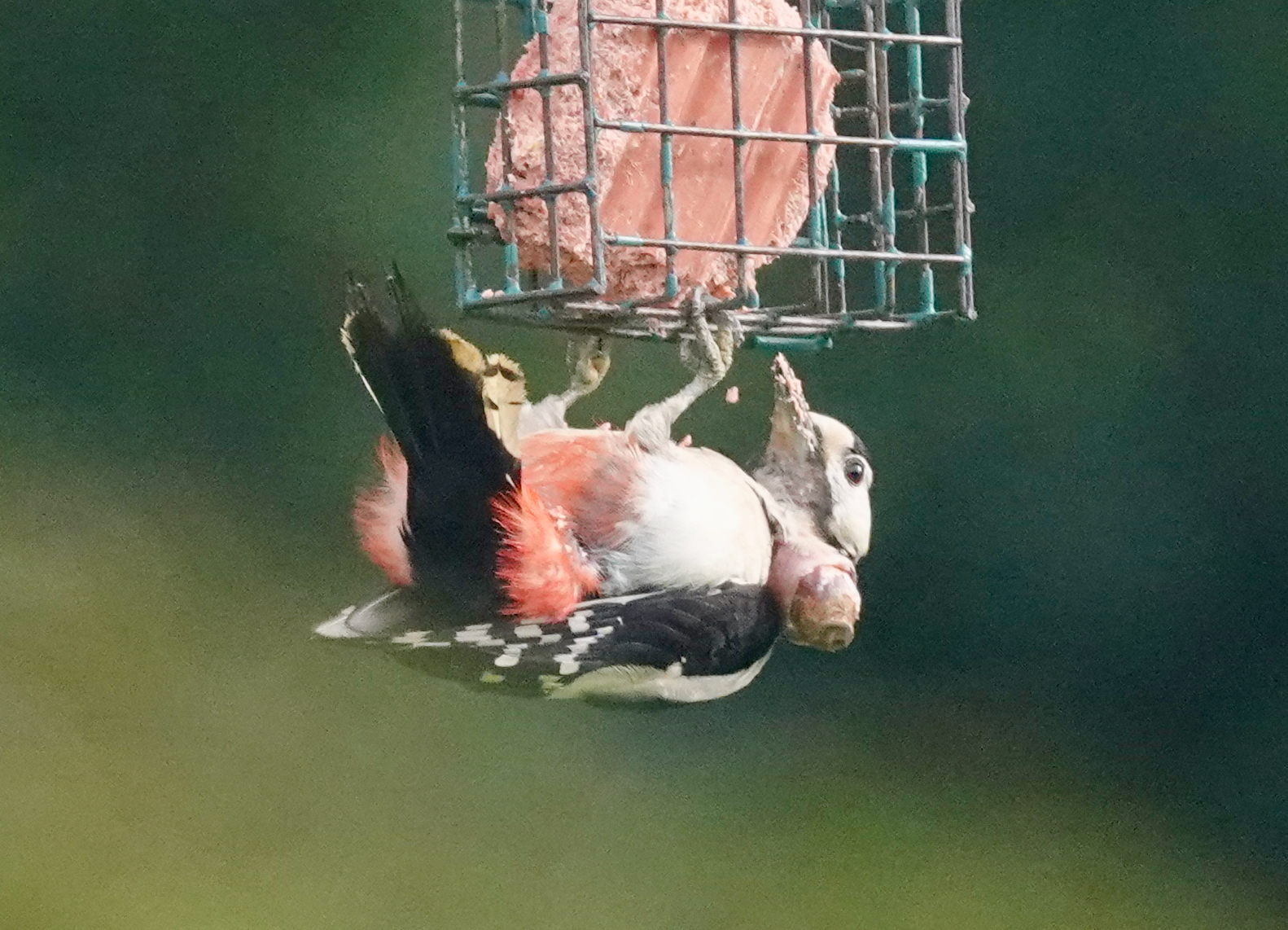
Male Great Spotted Woodpecker hanging beneath a suet feeder with a large lesion beside the beak

Feeding at a suet slab while affected by avian pox

Avian poxvirus is thought to spread in three main ways - by biting insects such as mosquitoes and flies, by direct bird-to-bird contact, and indirectly via contaminated perches, feeders and bird tables. The virus can persist on surfaces for long periods. This is why good feeder hygiene matters so much: regular disinfection, fresh food, clean water, daily emptying of bird baths and moving feeders around the garden all help reduce the build-up of infection.

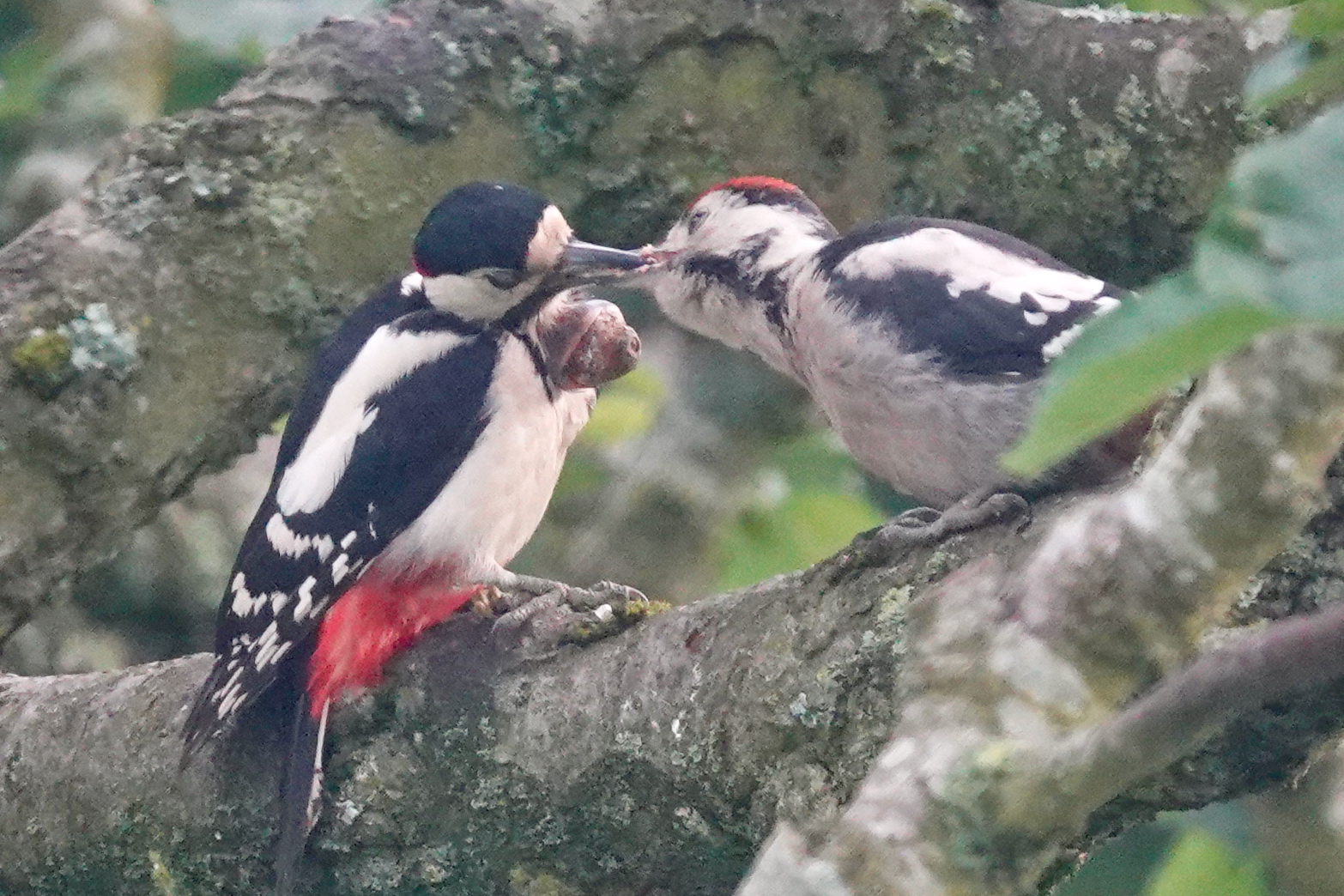
Male Great Spotted Woodpecker with avian pox lesion touching bills with a fledgeling on a branch

Parent and young bird close together

This second feeding view shows just how close contact can be at the nestling and fledgling stage. The factsheet explains that avian pox only infects birds - there is no known risk to human or other mammal health from the virus itself - but normal hygiene is still important around feeders because garden birds may carry other infections. If several birds in a garden appear affected, best practice is to cut right back on feeding, or stop for 2 to 4 weeks, then gradually reintroduce food while continuing careful cleaning and monitoring.

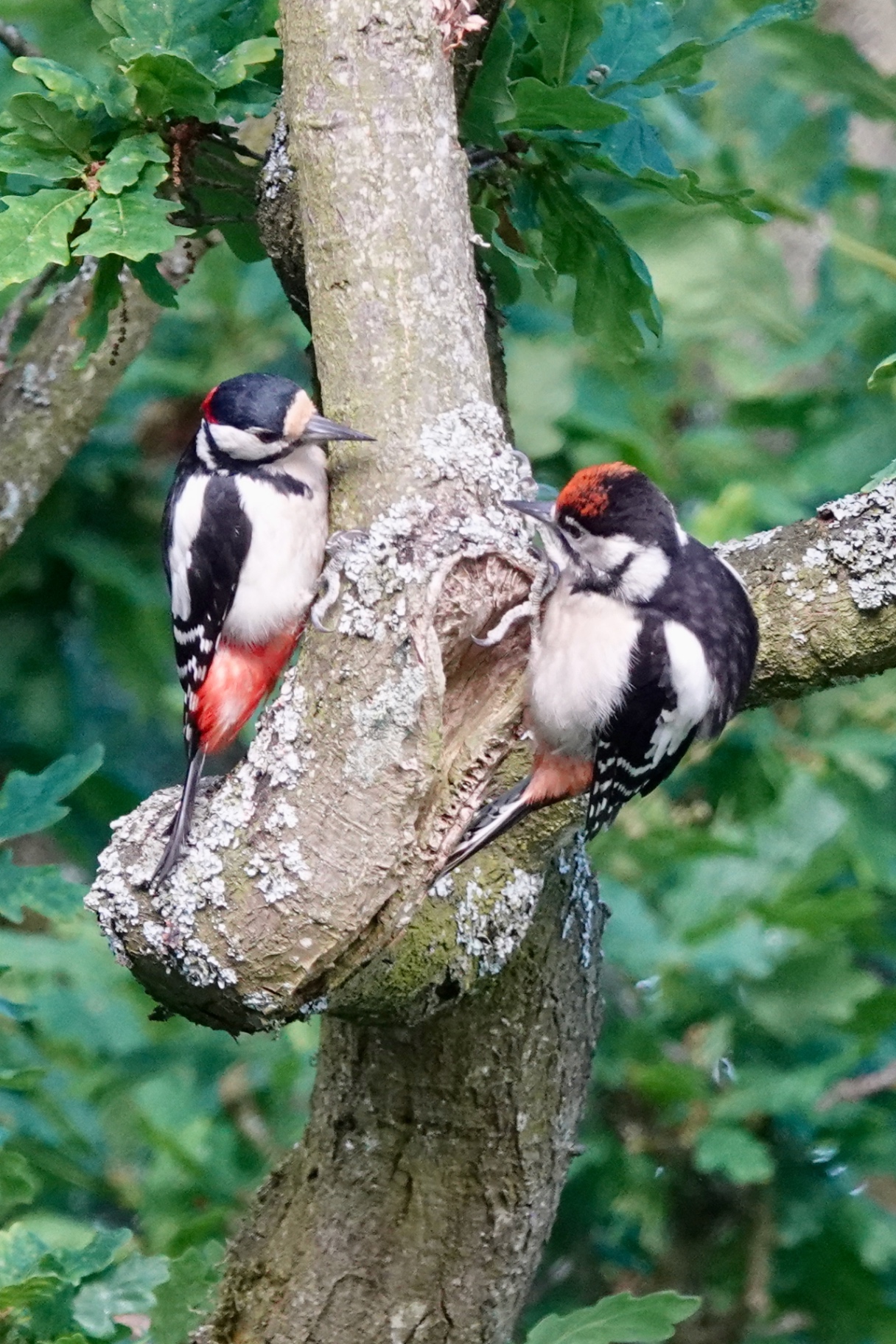
Close view of male Great Spotted Woodpecker with red-crowned juvenile on an oak trunk

Adult male and juvenile - note the difference in red on the head

Adults have black crowns; the male has a small red patch on the nape. Juveniles of both sexes show a full red crown that is gradually replaced through their first autumn moult. Until then, a 'red-headed' woodpecker on the feeders is almost certainly a young bird from this year's brood. Great Spotted Woodpeckers work along the bark looking for grubs and wood-boring insects.

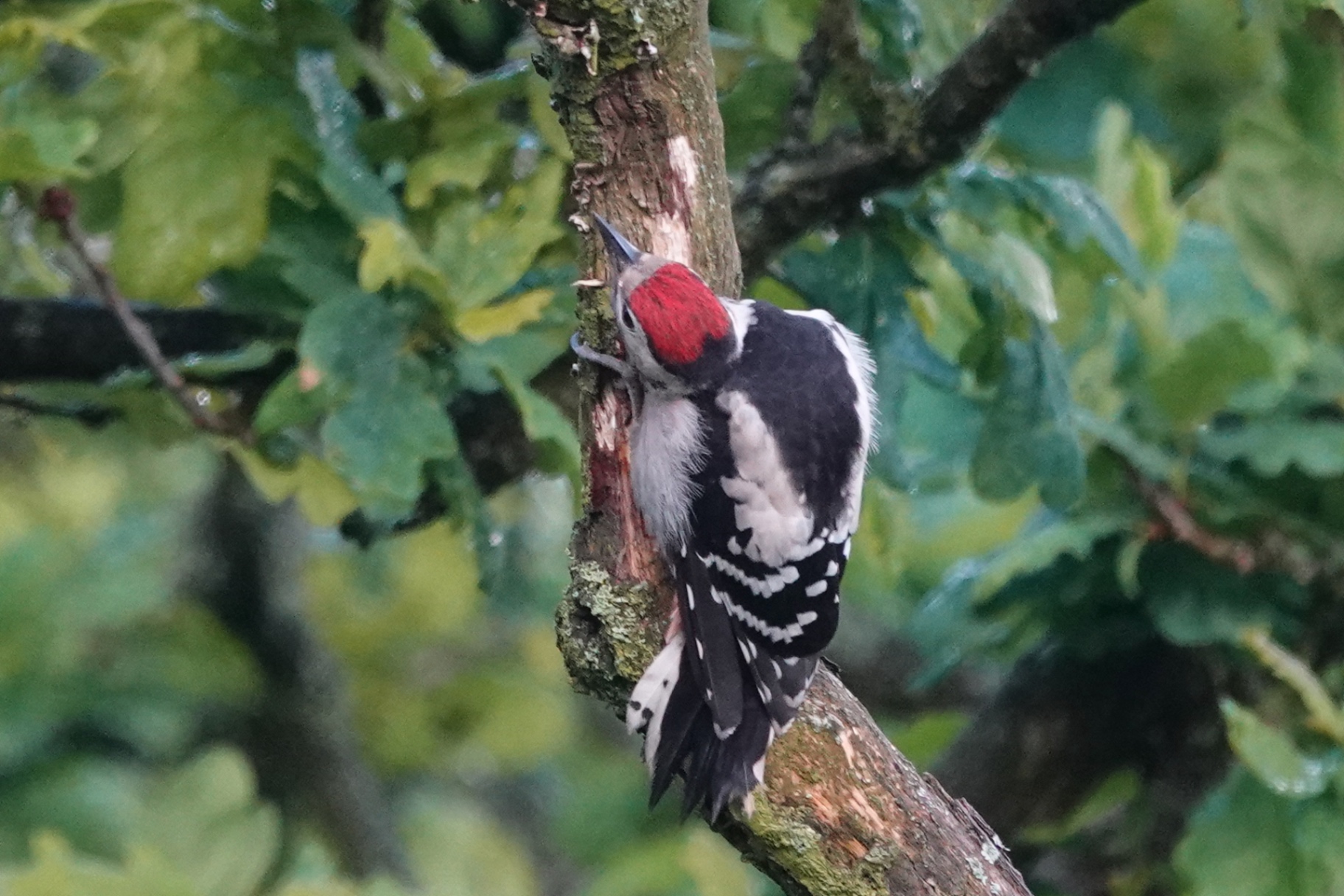
Newly fledged juvenile Great Spotted Woodpecker exploring an oak branch

Newly fledged juvenile in the oak

A newly fledged youngster, still soft-feathered and slightly fluffy, working along an oak limb. Fledglings leave the nest before they are fully competent and rely on the adults for food for another week or two while they learn to climb, probe bark and find insects for themselves.

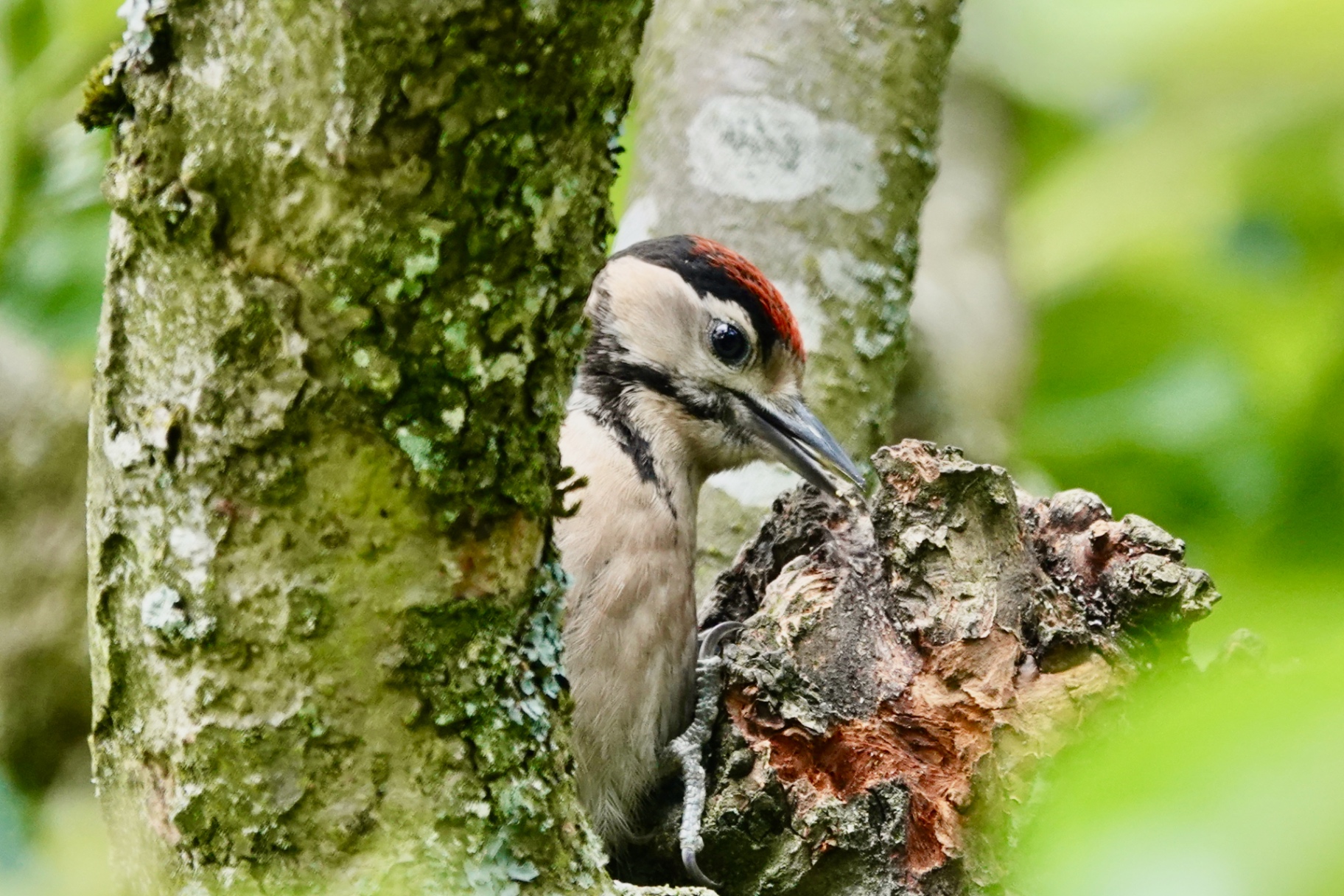
Five-day fledged juvenile Great Spotted Woodpecker probing a split branch for insects

Five days out of the nest - learning to feed naturally

Five days after fledging, this juvenile is already prising at a split branch in search of beetle larvae and other invertebrates. Wood-boring insects, ants and spiders make up most of the natural diet in summer, switched for seeds and nuts in winter.

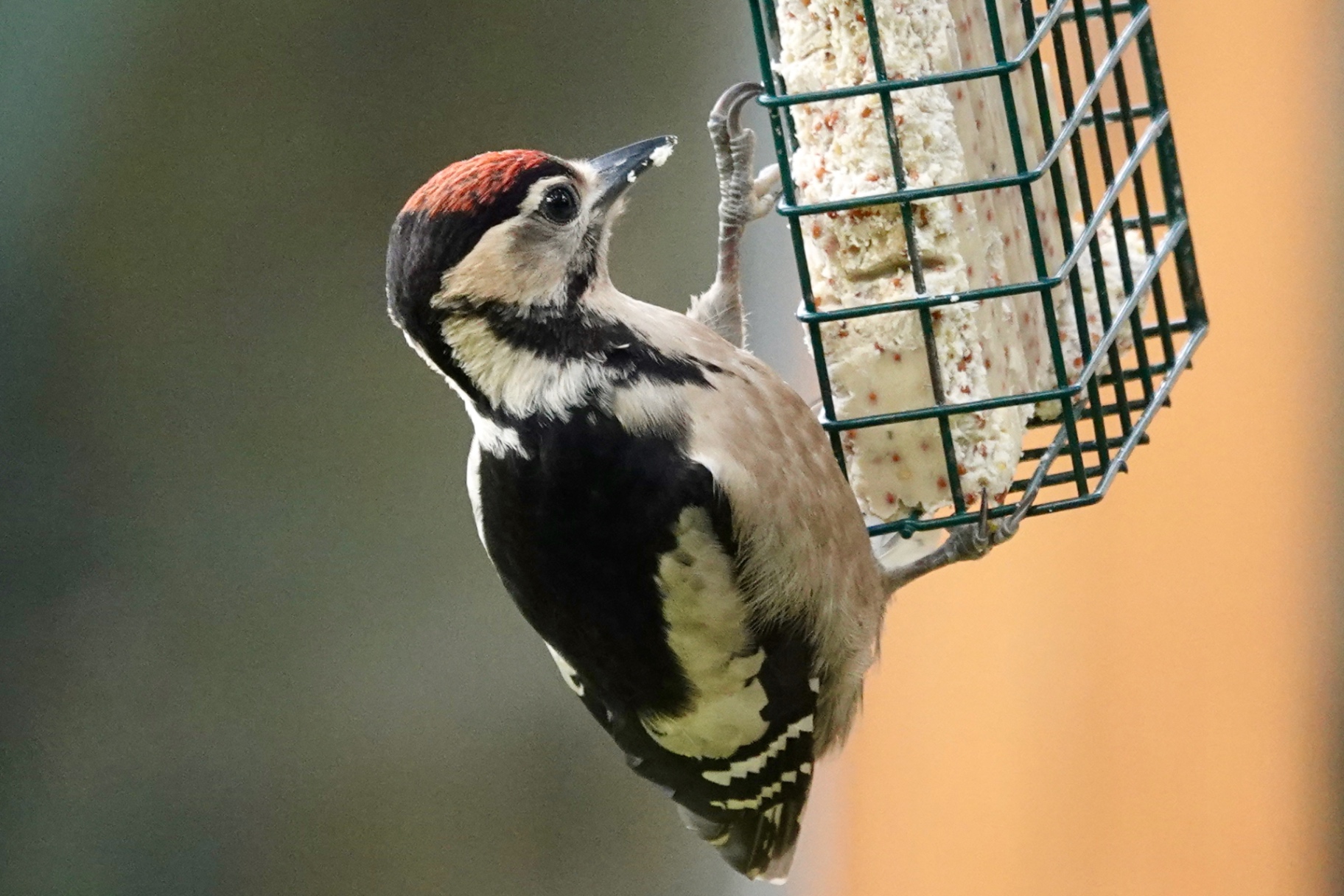
Juvenile Great Spotted Woodpecker hanging on a suet feeder

Supplementary feeding on suet

The same bird at a suet feeder. Suet, peanuts and sunflower hearts are an important supplementary food for woodpeckers, especially when feeding hungry fledglings. Keep feeders clean and well spaced to reduce the risk of avian pox and trichomonosis spreading between birds.

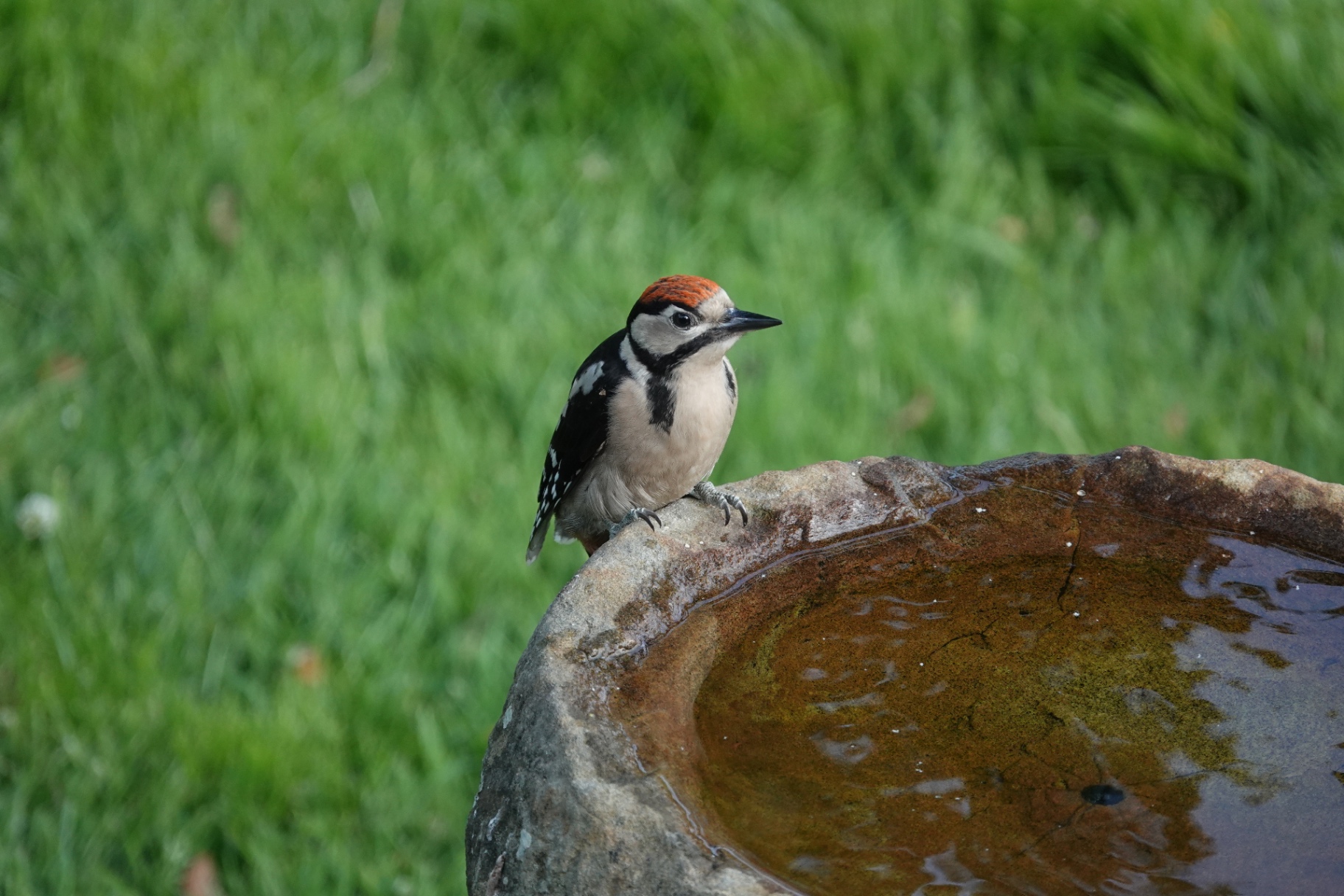
Juvenile Great Spotted Woodpecker perched on the rim of a stone bird bath

Juvenile at the bird bath

A juvenile pauses on the rim of a stone bird bath. Fresh, clean water is just as important as food - especially in hot or freezing weather. A heavy, stable bath emptied and refilled daily is one of the simplest things any garden can offer.

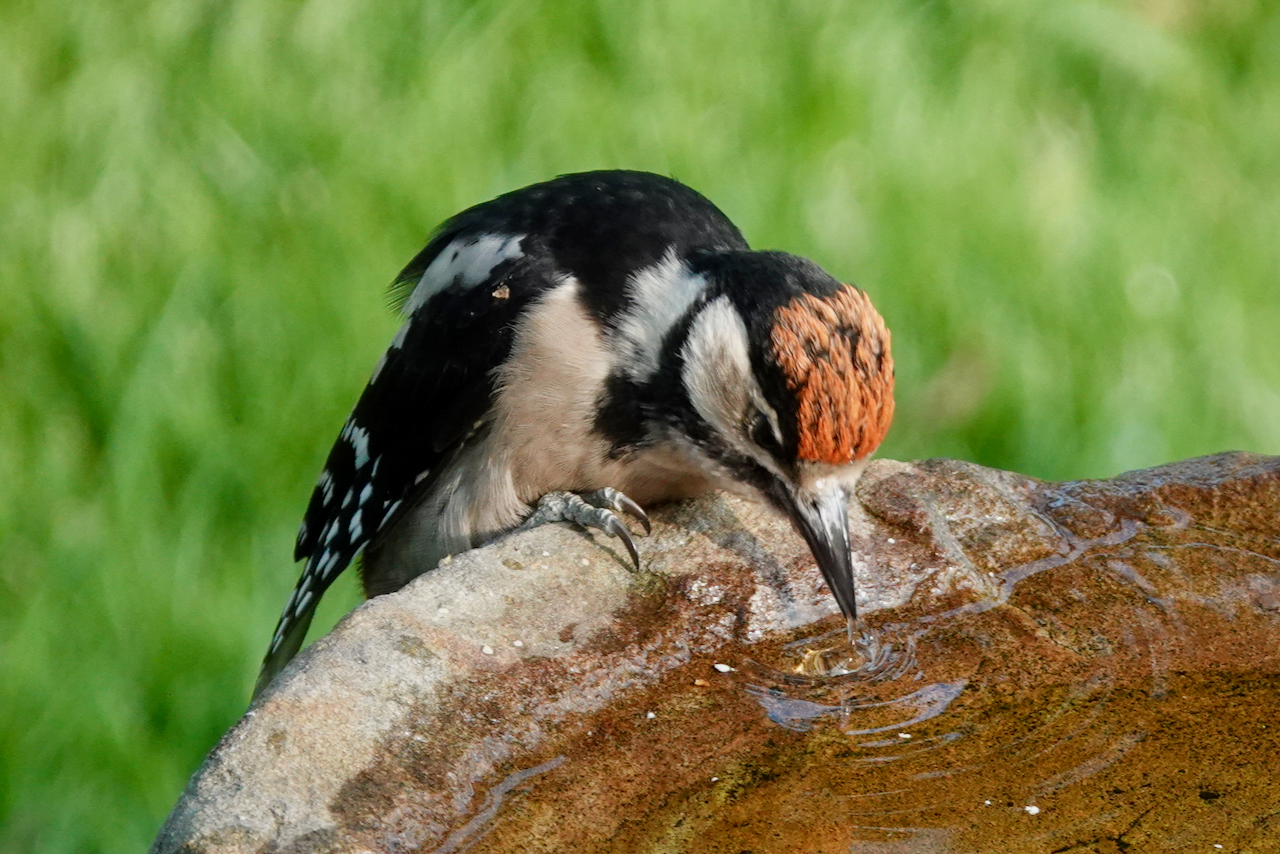
Close-up of juvenile Great Spotted Woodpecker drinking from a bird bath

Drinking - note the full red crown of the juvenile

A close view of the same bird drinking, showing the dense red crown that marks it as a juvenile and the heavy chisel-tipped bill used for hammering into bark and timber.

How it fits into North Yorkshire wildlife

This bird is part of the moving life of North Yorkshire, linking coast, woodland, farmland and gardens. Its success depends on enough food, safe nesting places and seasonal timing that still matches the landscape around it.

How it interacts with the wider landscape

Woodpeckers depend on mature trees with dead wood. Their presence indicates a woodland with structural diversity.

Seasonal rhythm

Spring and early summer are often the most important months, when breeding, migration and food availability need to line up.

Where to look and what to notice

Look for movement, calls, feeding behaviour and the kind of habitat this bird depends on, such as hedgerow, garden, moorland edge or sea cliff.