
Back to the illustration

Wildlife - Mammals

Field Vole

Almost every predator in the British countryside depends on voles: barn owls, kestrels, stoats, weasels, foxes.

Species description adapted from RSPB and BTO references - see links below.

Status: Least concern (but declining)North Yorkshire species profileGo to Wildlife Identification
Illustration coming soon for this species.

Mammals - Photo ID

Harvest Mouse - photo identification

Britain's smallest rodent and the only mammal in the UK with a truly prehensile tail. Bright russet-orange above and pure white below, Harvest Mice weave grapefruit-sized nests of woven grass high in tall stems of grassland, reedbeds and cereal margins. A UK Biodiversity Action Plan priority species, lost from much of the country as old-fashioned hay meadows and weedy field edges have disappeared.

Photographs by Rob - taken in and around the North York Moors.

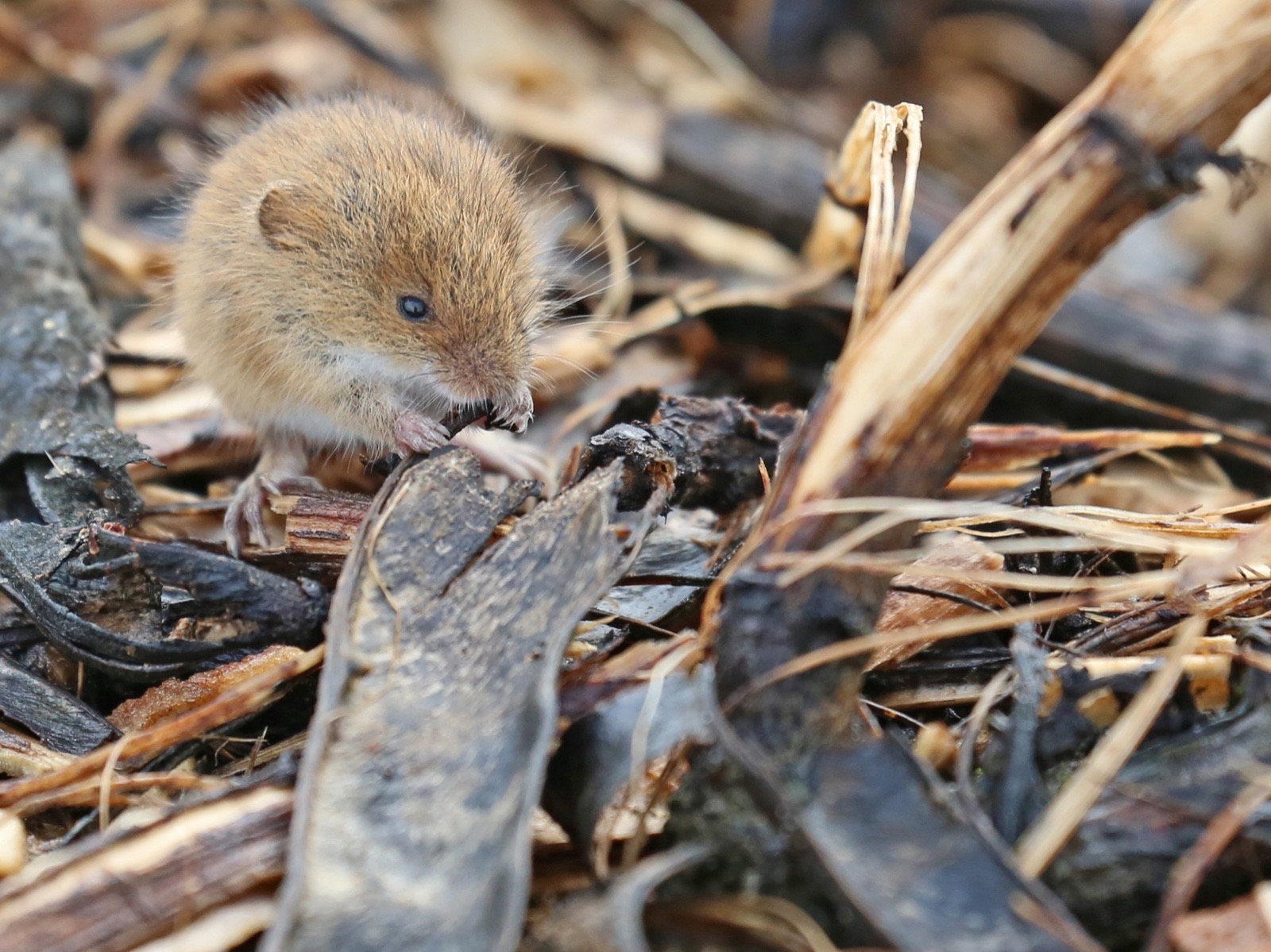
A small russet-orange Harvest Mouse feeding among grass stems and dead leaves

Harvest Mouse in rough grassland

A Harvest Mouse holding a seed in tiny pink paws, partly hidden in tussock grass. Watch for the bright orange-brown fur, the blunt rounded face, the small hairy ears, and - if you can see it - the long prehensile tail that the animal uses like a fifth limb to grip stems as it climbs. Harvest Mice spend much of their lives several inches off the ground, weaving spherical nests of split grass blades between standing stems. They need tall, undisturbed grassland and field margins that are left through the winter - one of the simplest ways to help them is to stop strimming everything flat.

Photo: Richard Baines

How it fits into North Yorkshire wildlife

This mammal helps shape North Yorkshire from the ground up, whether by grazing, digging, dispersing seed or feeding larger predators. It is part of the quiet structure of the countryside, not just a sighting for lucky visitors.

How it interacts with the wider landscape

When vole populations crash, the entire predator community suffers.

Seasonal rhythm

Dawn, dusk and the change between seasons often reveal this species best, especially when food and cover shift across the landscape.

Where to look and what to notice

Look for tracks, droppings, feeding signs, paths through vegetation and the edges of habitats where cover meets open ground.