
Back to the illustration

Wildlife - Birds

Redpoll

A tiny, streaky finch with a neat conical bill and a small red patch on the forehead, Redpolls are restless winter visitors that often arrive in feeding flocks. They favour birch, alder and weedy ground, and in some years they pour south in much larger numbers when northern seed crops fail.

Species description adapted from RSPB and BTO references - see links below.

North Yorkshire species profileGo to Wildlife Identification
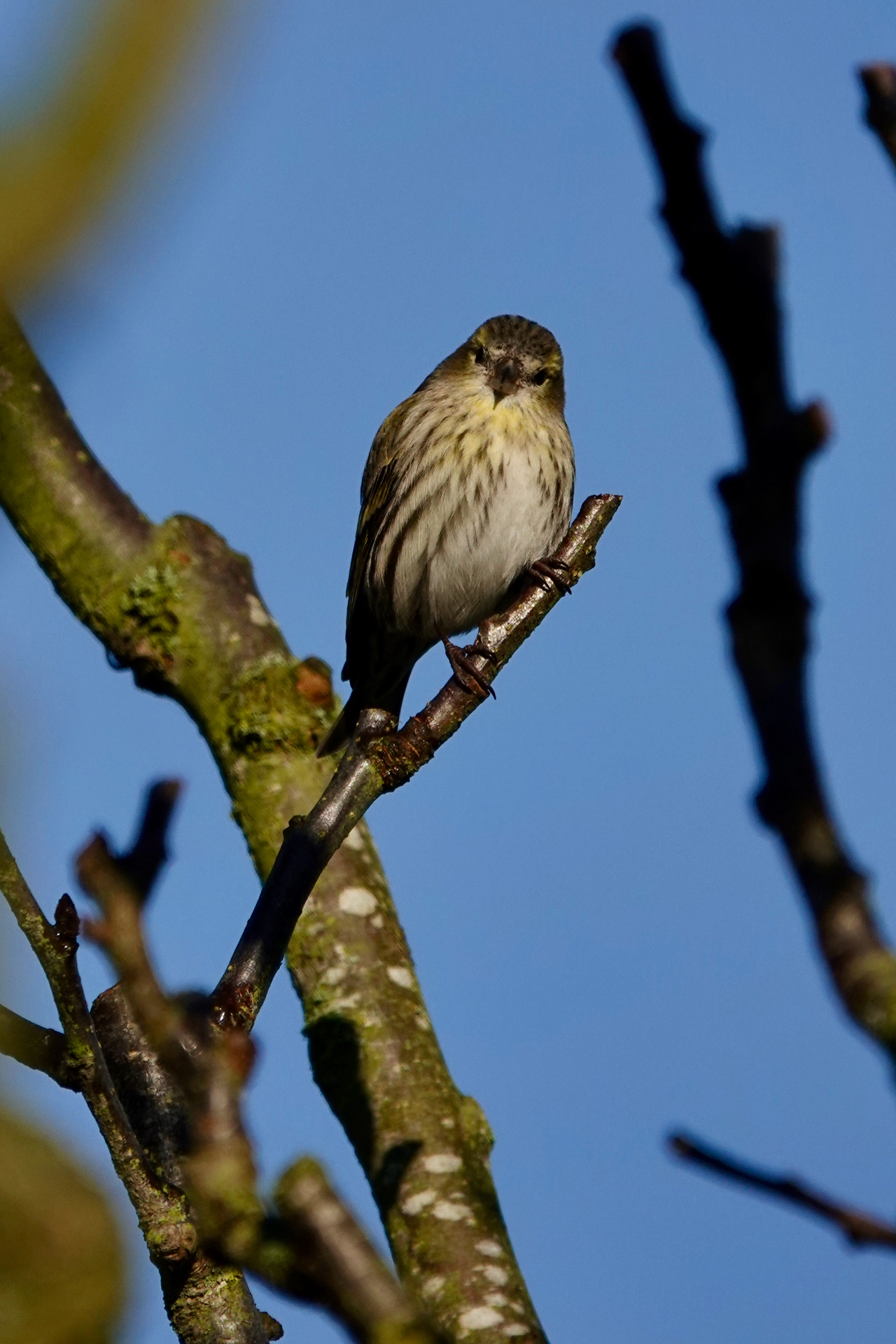
A Redpoll perched on a bare branch facing the camera

Birds - Photo ID

Redpoll - photo identification

A tiny, streaky finch with a neat conical bill and a small red patch on the forehead, Redpolls are restless winter visitors that often arrive in feeding flocks. They favour birch, alder and weedy ground, and in some years they pour south in much larger numbers when northern seed crops fail.

Photographs by Rob - taken in and around the North York Moors.

A Redpoll perched on a bare branch facing the camera

Redpoll in winter light

Redpolls are dainty finches with fine streaking down the breast and flanks, a tiny yellow bill and a dark chin. Even when the red crown is not blazing, the overall look is distinctive - small, busy and neat. They often hang acrobatically from alder and birch catkins, teasing out seeds.

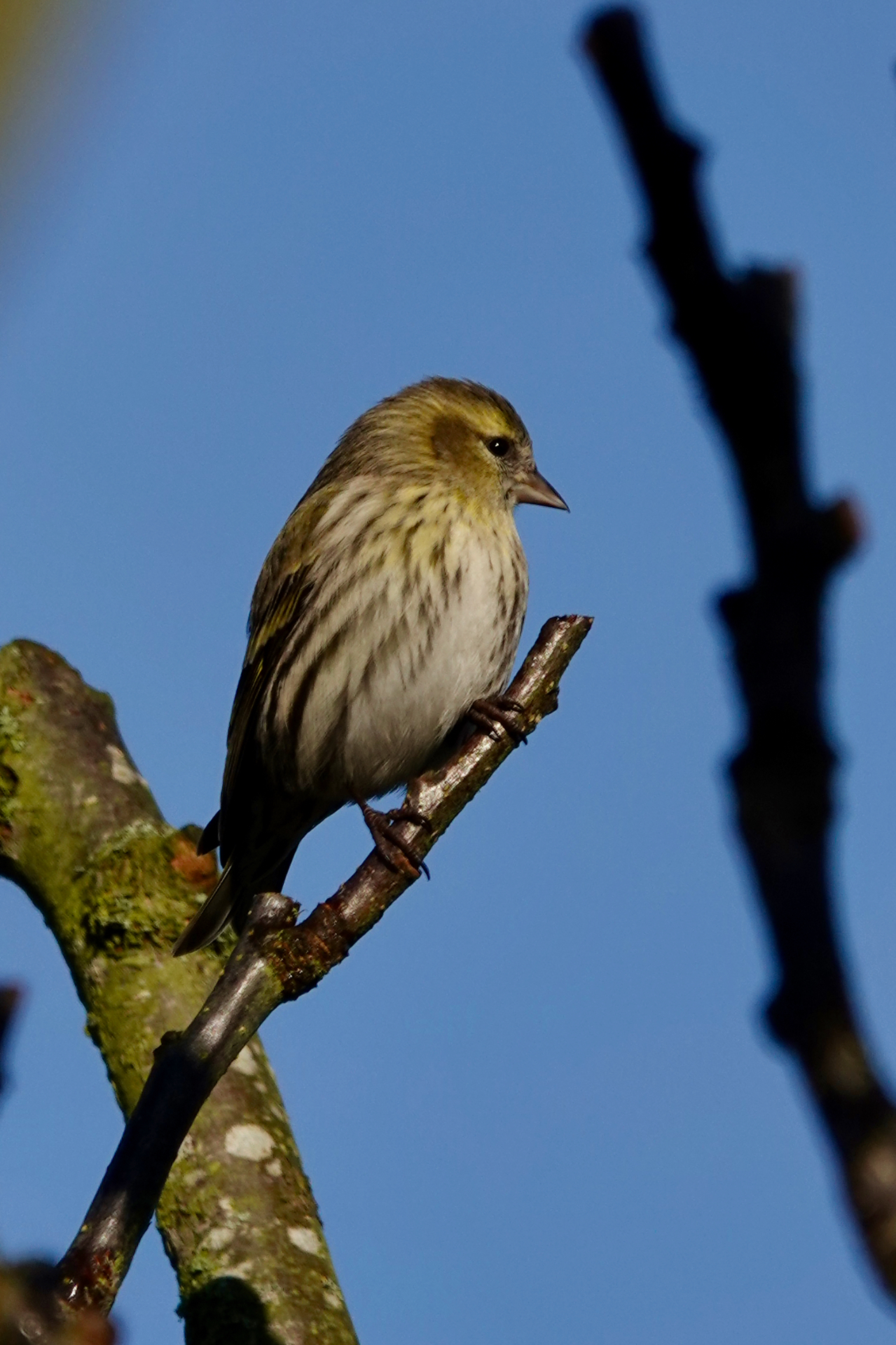
A Redpoll in side profile perched on a bare branch

Side view showing the streaking and small finch bill

In Britain, Redpolls are most often noticed in autumn and winter when small parties visit gardens and feeding stations. They are especially fond of nyjer seed and sunflower hearts. Listen for a dry, metallic chatter as they flick between trees and feeder perches.

How it fits into North Yorkshire wildlife

This bird is part of the moving life of North Yorkshire, linking coast, woodland, farmland and gardens. Its success depends on enough food, safe nesting places and seasonal timing that still matches the landscape around it.

How it interacts with the wider landscape

Its place in the food web connects insects, seeds, small mammals, shrubs, trees or fish with the larger rhythms of weather and migration.

Seasonal rhythm

Spring and early summer are often the most important months, when breeding, migration and food availability need to line up.

Where to look and what to notice

Look for movement, calls, feeding behaviour and the kind of habitat this bird depends on, such as hedgerow, garden, moorland edge or sea cliff.