
Back to the illustration

Wildlife - Insects

Ladybird

A single adult ladybird can eat up to 5,000 aphids in its lifetime. The UK has 47 species.

Species description adapted from RSPB and BTO references - see links below.

Status: Several species decliningNorth Yorkshire species profileGo to Wildlife Identification
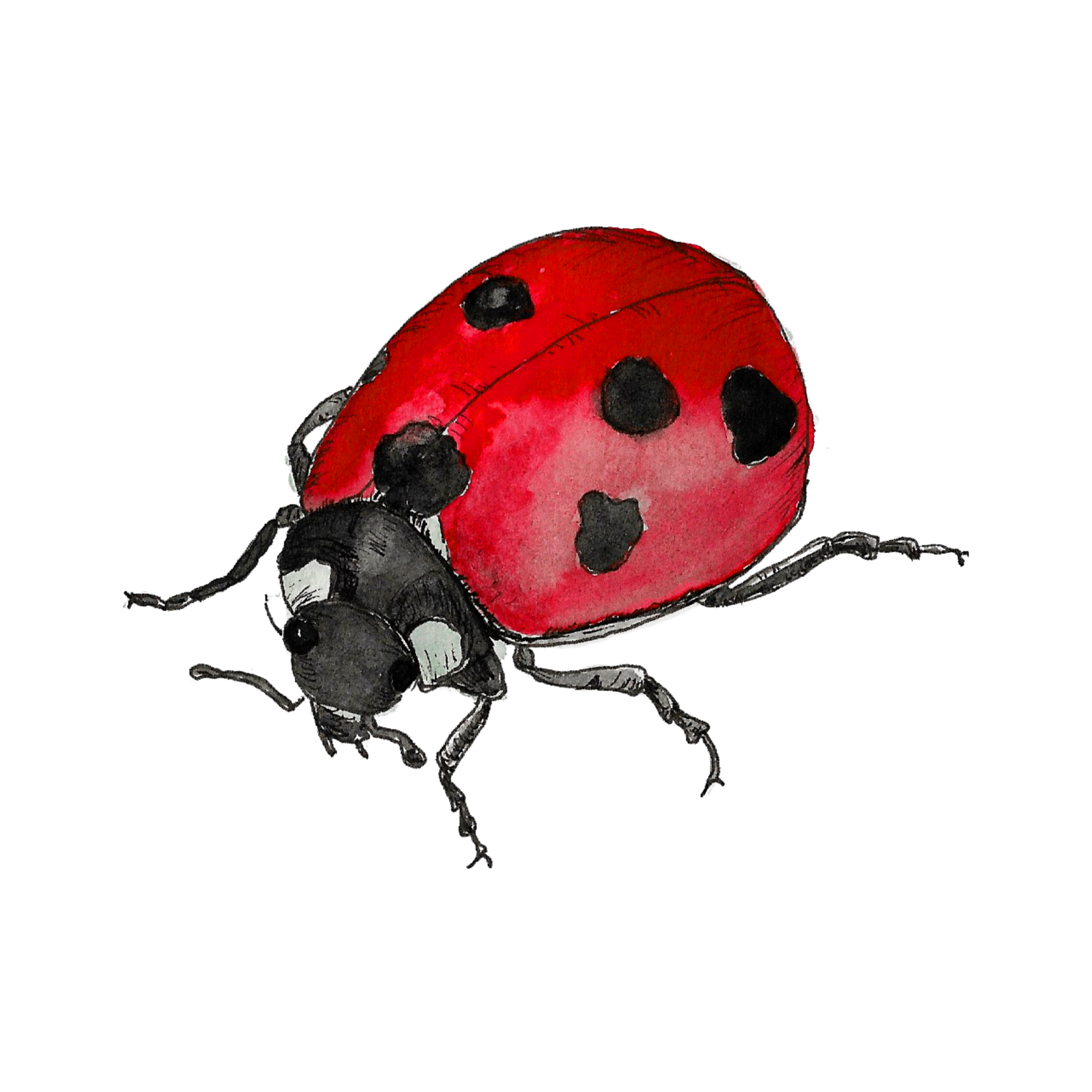
Watercolour illustration of a red ladybird with black spots

Insects - Photo ID

Ladybird (7-spot) - photo identification

The classic British ladybird - glossy red wing cases with seven black spots, a black-and-white head and short legs. A vital garden ally: a single adult can eat over 5,000 aphids in its lifetime. Look for them on nettles, brambles and herbaceous borders from spring onwards.

Photographs by Rob - taken in and around the North York Moors.

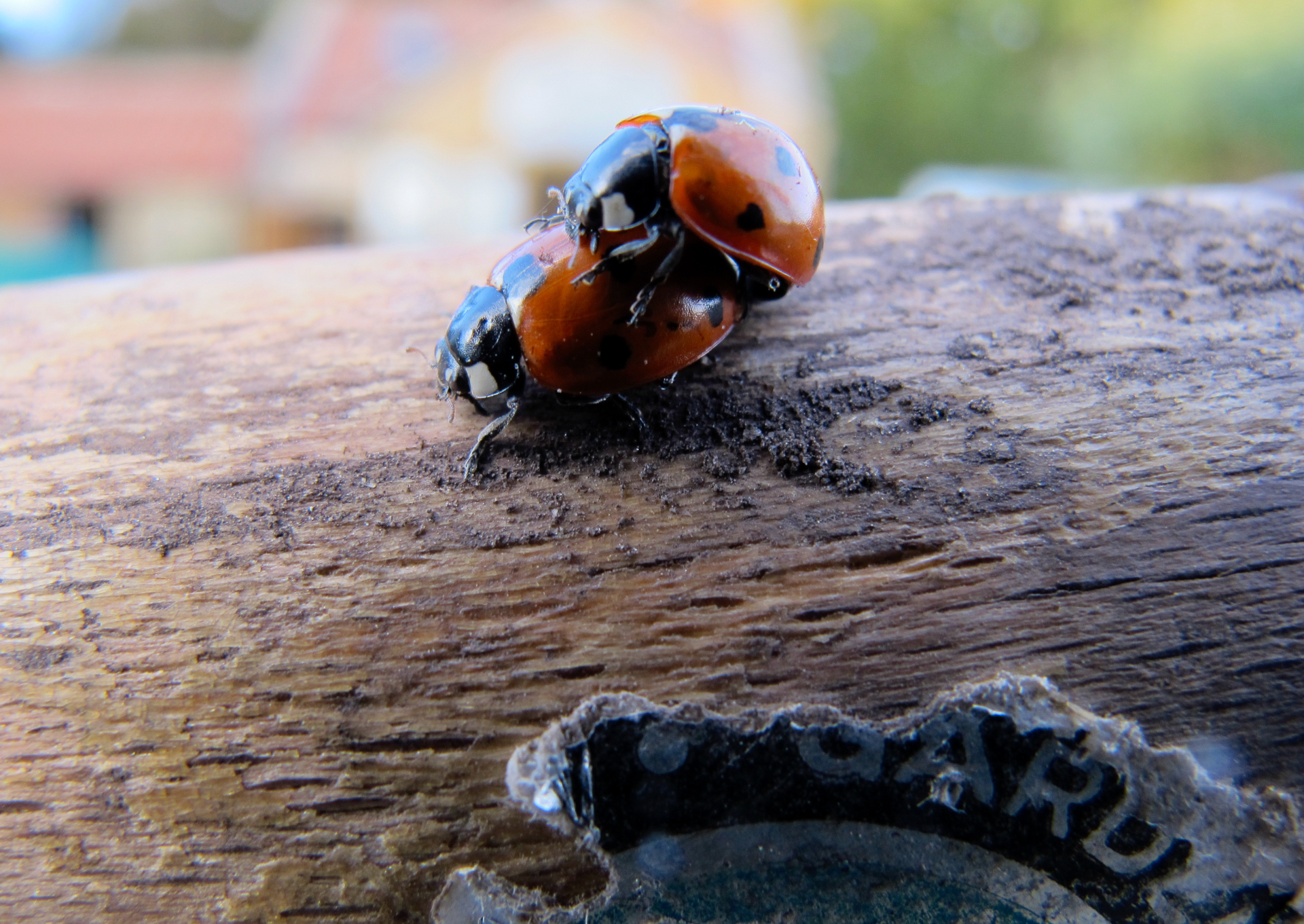
A pair of 7-spot ladybirds mating on a sun-warmed wooden post

7-spot ladybirds on a garden post

7-spot ladybirds (Coccinella septempunctata) overwinter as adults, tucked into leaf litter, hollow stems and bark crevices. They emerge in spring to feed on aphids and then pair up - mating bouts can last several hours. Eggs are laid in small yellow clusters on the underside of leaves where aphids are plentiful, so the larvae have food ready when they hatch.

How it fits into North Yorkshire wildlife

Ladybirds are tiny but important parts of North Yorkshire gardens, hedgerows, meadows and field edges. Their bright colour makes them easy to notice, but their biggest value lies in how much quiet pest control they do every day.

How it interacts with the wider landscape

Ladybirds feed heavily on aphids, helping plants stay healthier without chemical sprays. They are also part of a larger chain, becoming food for birds and other predators while responding quickly to changes in habitat quality.

Seasonal rhythm

They become most obvious through spring and summer when aphid numbers rise, then gather into sheltered places to overwinter in leaf litter, bark crevices and buildings.

Where to look and what to notice

Look on stems, leaves and flowerheads where aphids gather, especially in warm sunny patches with lots of plant growth and fewer pesticides.