
Back to the illustration

Wildlife - Birds

Great Tit

Larger and bolder than the Blue Tit, with a glossy black head, bright white cheeks, olive back and lemon-yellow underparts split by a strong black stripe. One of the commonest garden birds in North Yorkshire, equally happy in woodland, orchards, parks and back gardens.

Species description adapted from RSPB and BTO references - see links below.

North Yorkshire species profileGo to Wildlife Identification
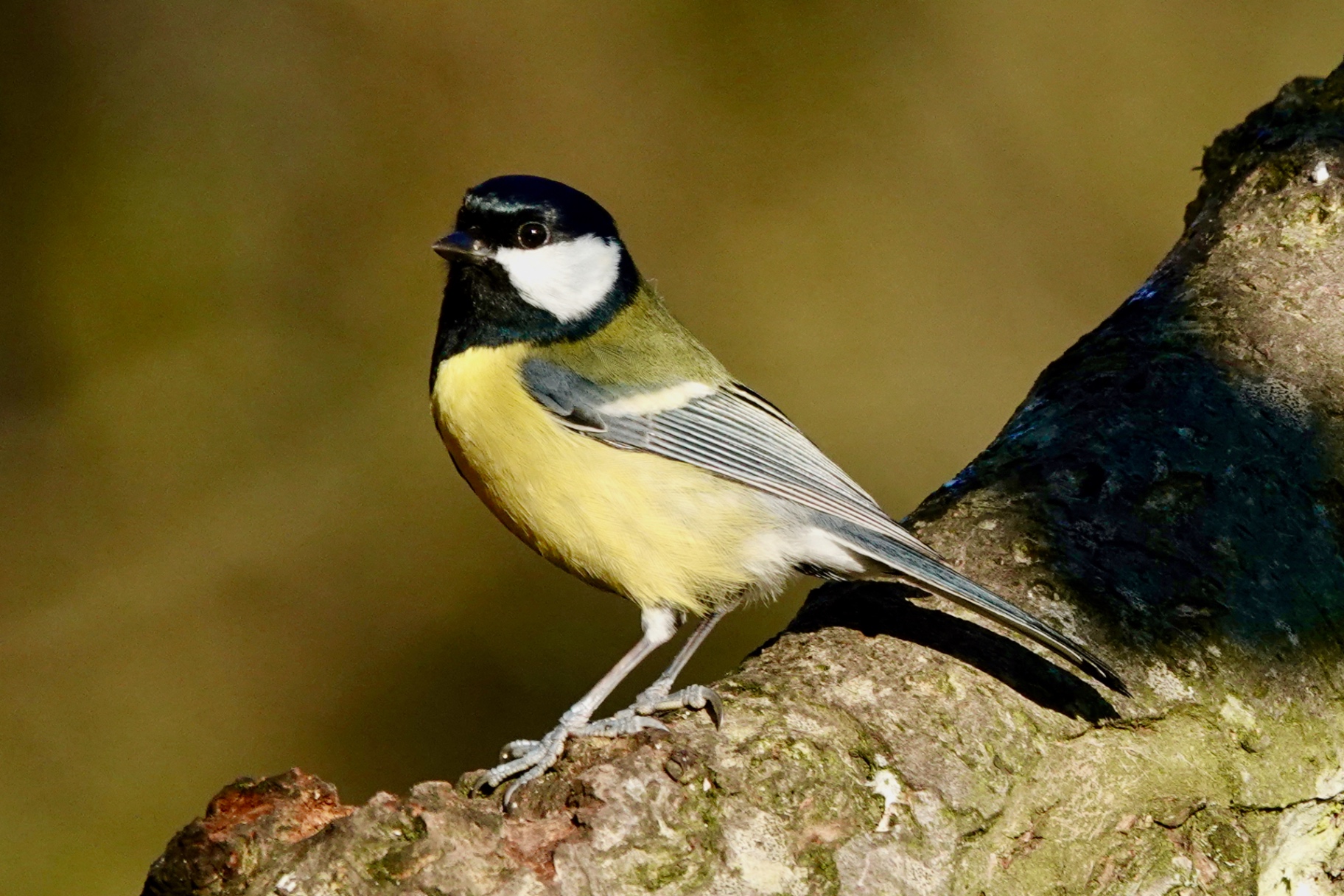
A Great Tit perched in warm sunlight on a rough branch

Birds - Photo ID

Great Tit - photo identification

Larger and bolder than the Blue Tit, with a glossy black head, bright white cheeks, olive back and lemon-yellow underparts split by a strong black stripe. One of the commonest garden birds in North Yorkshire, equally happy in woodland, orchards, parks and back gardens.

Photographs by Rob - taken in and around the North York Moors.

A Great Tit perched in warm sunlight on a rough branch

Classic Great Tit view

The broad black stripe running down the belly is one of the easiest ways to separate a Great Tit from other tits. Males usually show a broader stripe than females. The clean white cheeks and black bib make it unmistakable at close range.

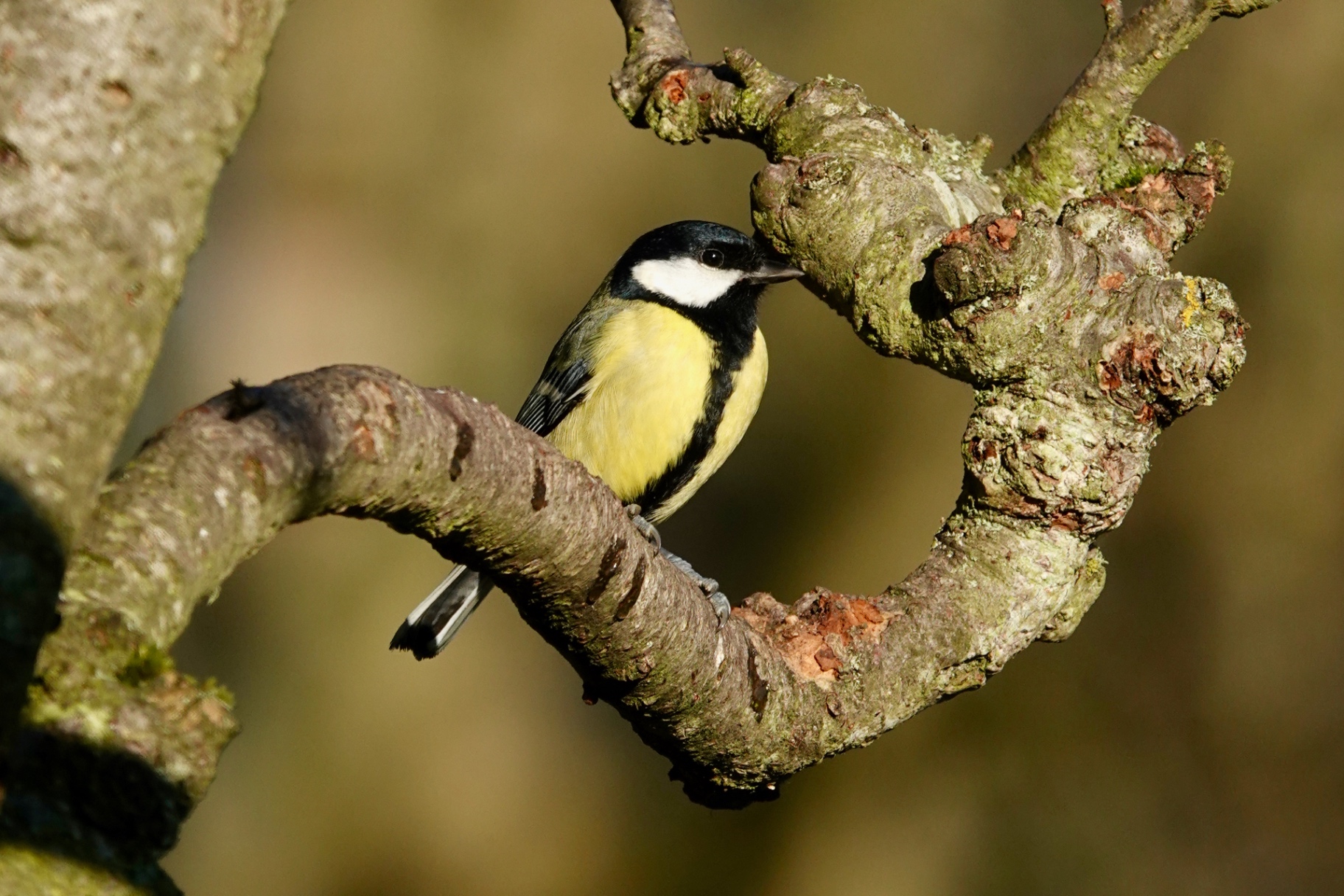
A Great Tit tucked among twisting tree branches

At home in orchard and woodland branches

Great Tits are agile, inquisitive birds that hunt insects, spiders and caterpillars through bark crevices and twiggy growth. In spring they time their nesting so hungry chicks hatch when caterpillars are at their most abundant.

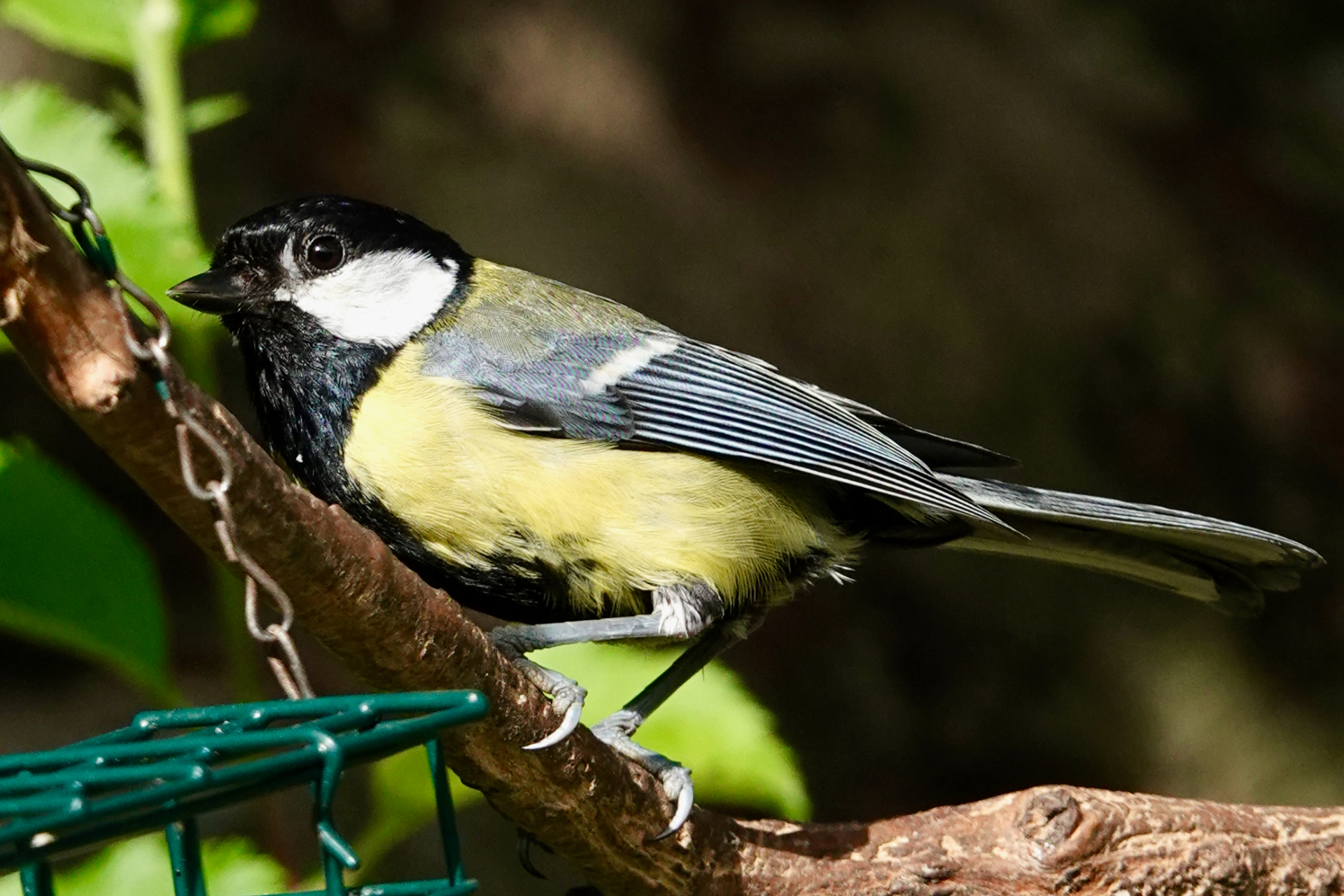
A Great Tit perched beside a garden feeder

A regular visitor to garden feeders

In winter Great Tits quickly learn where food is reliable. They favour sunflower hearts, peanuts and suet, often grabbing one seed at a time before flying off to hammer it open on a branch. Their familiar two-note song is one of the classic sounds of early spring.

How it fits into North Yorkshire wildlife

This bird is part of the moving life of North Yorkshire, linking coast, woodland, farmland and gardens. Its success depends on enough food, safe nesting places and seasonal timing that still matches the landscape around it.

How it interacts with the wider landscape

Its place in the food web connects insects, seeds, small mammals, shrubs, trees or fish with the larger rhythms of weather and migration.

Seasonal rhythm

Spring and early summer are often the most important months, when breeding, migration and food availability need to line up.

Where to look and what to notice

Look for movement, calls, feeding behaviour and the kind of habitat this bird depends on, such as hedgerow, garden, moorland edge or sea cliff.