
Back to the illustration

Wildlife - Insects

Dragonfly

Dragonflies have been on Earth for over 300 million years. The UK has 44 species, many expanding north as temperatures warm.

Species description adapted from RSPB and BTO references - see links below.

Status: Mixed - some declining, some expandingNorth Yorkshire species profileGo to Wildlife Identification
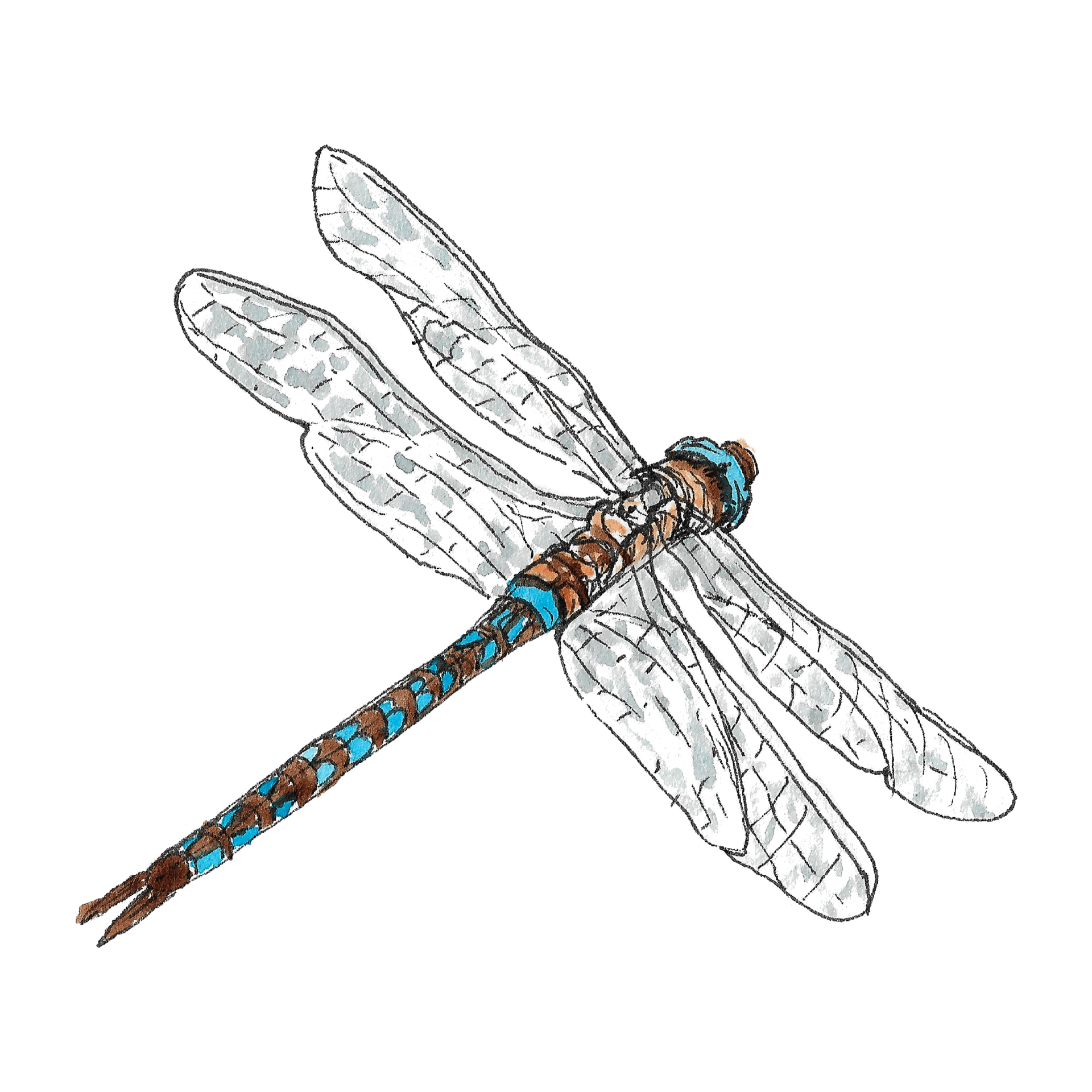
Watercolour illustration of a dragonfly with patterned wings

Insects - Photo ID

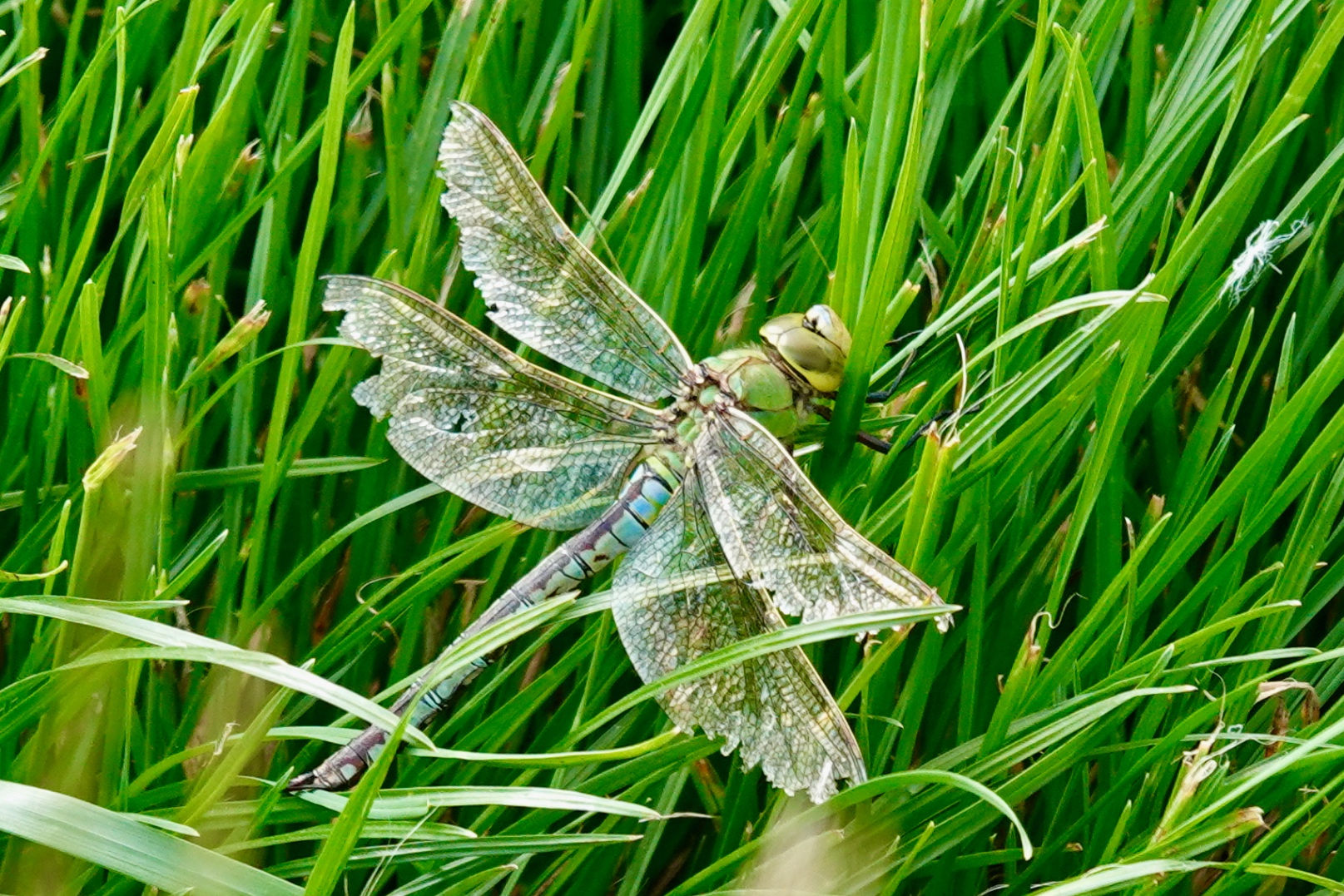
Emperor Dragonfly - photo identification

Britain's largest and most spectacular dragonfly. The male has a sky-blue abdomen with a central black line, an apple-green thorax and huge compound eyes. Patrols ponds, slow rivers and ditches from June to August, hawking down midges, mosquitoes and even butterflies on the wing.

Photographs by Rob - taken in and around the North York Moors.

An Emperor Dragonfly resting in tall green grass

Emperor Dragonfly - vivid green thorax and blue abdomen

Dragonflies are ancient - they were patrolling wetlands 300 million years ago, long before the dinosaurs. The Emperor spends most of its life as an aquatic larva (up to two years) before emerging as a winged adult that may live only a few weeks. Look closely at the wings - the lacework of veins is one of the strongest natural structures known.

How it fits into North Yorkshire wildlife

Dragonflies connect North Yorkshire's ponds, wetlands, slow rivers and ditches with the surrounding land. Their young live underwater, while adults patrol the air, so they are a sign that both water and nearby vegetation are doing their job.

How it interacts with the wider landscape

They are predators twice over: aquatic larvae hunt below the surface and adults hunt flying insects above it. That makes them a vivid link between freshwater health and the wider food web.

Seasonal rhythm

Warm, bright days from late spring into autumn are best. Adults emerge when water, weather and vegetation line up, then patrol sunny edges and breeding territories.

Where to look and what to notice

Look for them around still or slow water, especially where reeds, rushes and open sunny patches meet.