
Back to the illustration

Wildlife - Birds

Collared Dove

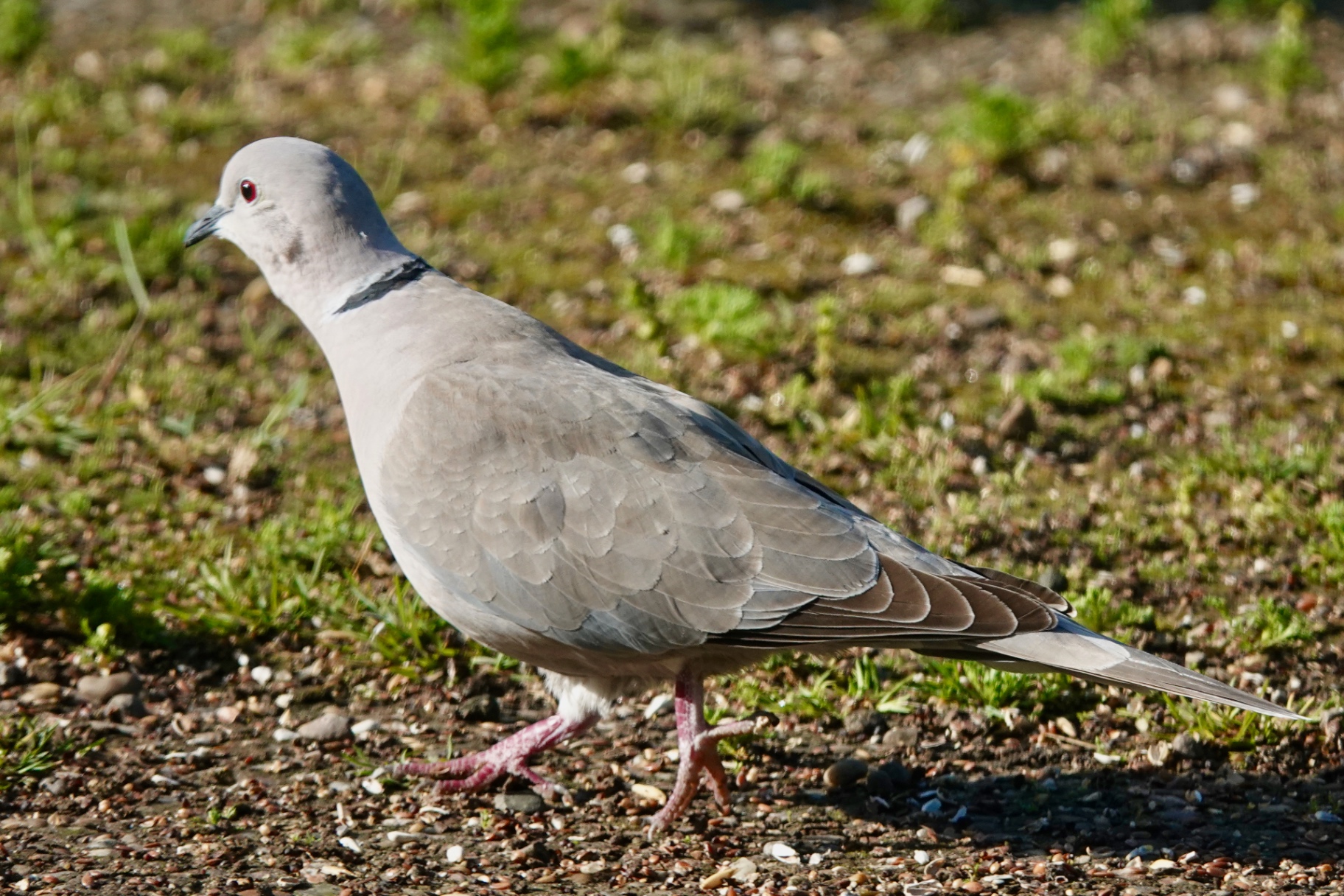
A soft pinkish-grey dove with a distinctive thin black half-collar on the back of the neck. Only colonised the UK in the 1950s, spreading from the Middle East, but is now common in towns, villages and gardens across the country. Listen for the gentle three-note 'coo-COO-coo'.

Species description adapted from RSPB and BTO references - see links below.

North Yorkshire species profileGo to Wildlife Identification
A Collared Dove on a fence

Birds - Photo ID

Collared Dove - photo identification

A soft pinkish-grey dove with a distinctive thin black half-collar on the back of the neck. Only colonised the UK in the 1950s, spreading from the Middle East, but is now common in towns, villages and gardens across the country. Listen for the gentle three-note 'coo-COO-coo'.

Photographs by Rob - taken in and around the North York Moors.

A Collared Dove on a fence

Note the thin black half-collar on the back of the neck

Collared Doves are one of the great natural success stories of recent decades. They feed mainly on seed - happily clearing up what falls beneath garden bird feeders - and can raise multiple broods through a long breeding season from spring to autumn.

How it fits into North Yorkshire wildlife

This bird is part of the moving life of North Yorkshire, linking coast, woodland, farmland and gardens. Its success depends on enough food, safe nesting places and seasonal timing that still matches the landscape around it.

How it interacts with the wider landscape

Its place in the food web connects insects, seeds, small mammals, shrubs, trees or fish with the larger rhythms of weather and migration.

Seasonal rhythm

Spring and early summer are often the most important months, when breeding, migration and food availability need to line up.

Where to look and what to notice

Look for movement, calls, feeding behaviour and the kind of habitat this bird depends on, such as hedgerow, garden, moorland edge or sea cliff.