
Back to the illustration

Wildlife - Birds

Blue Tit

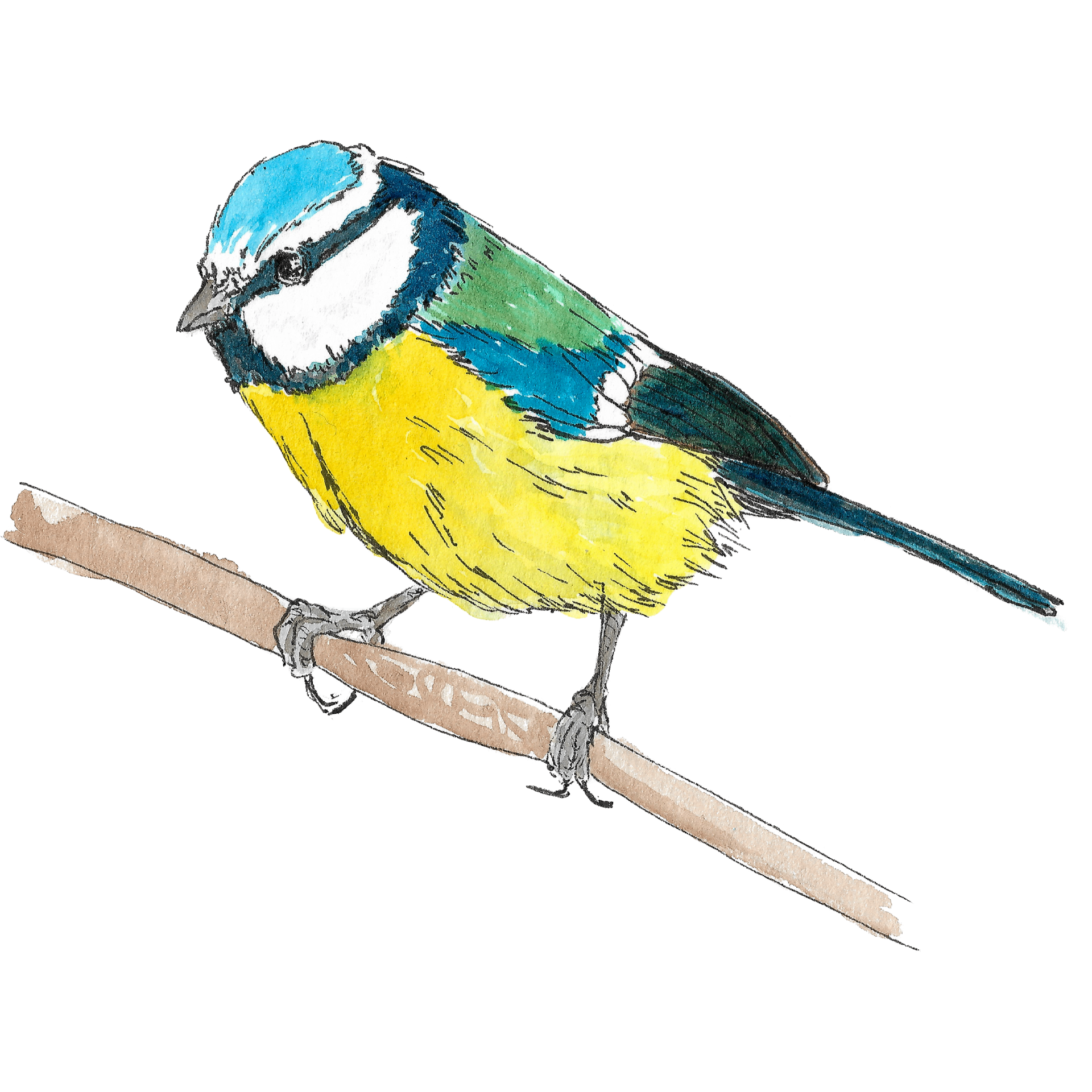
The blue tit is one of the UK's most familiar garden birds - acrobatic, bold, and brightly coloured. It is one of the most studied birds in the world.

Species description adapted from RSPB and BTO references - see links below.

Status: Green (stable)North Yorkshire species profileGo to Wildlife Identification
Watercolour illustration of a blue tit perched on a branch

Birds - Photo ID

Blue Tit - photo identification

Tiny, acrobatic and unmistakable - the Blue Tit is one of our most familiar garden birds. Bright blue cap, wings and tail, lemon-yellow chest and a black eye-stripe. A pair will raise a single huge brood of up to 10 chicks each spring, timed to coincide with the peak of caterpillars in oak trees.

Photographs by Rob - taken in and around the North York Moors.

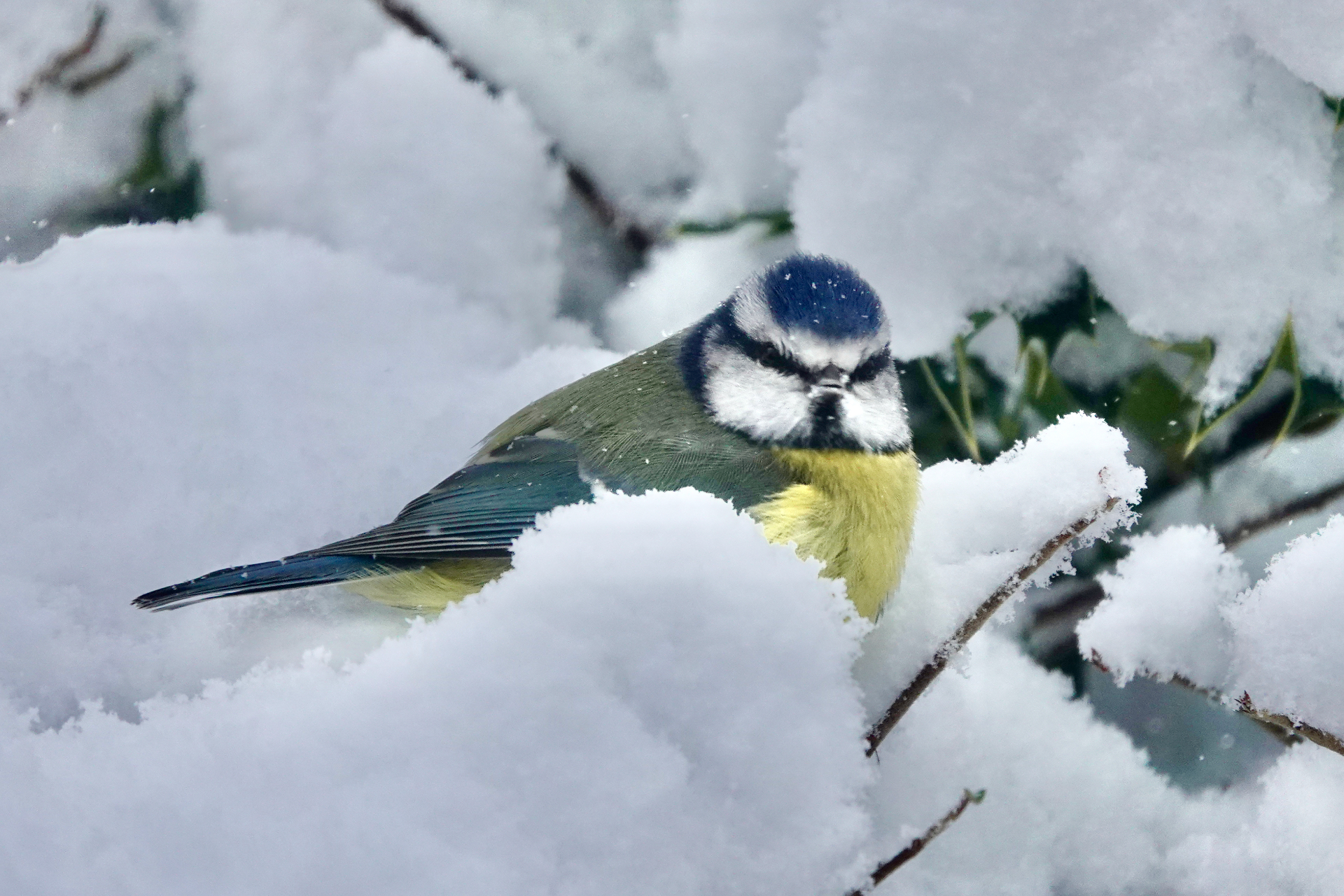
A blue tit perched in winter snow

Blue Tit in winter

Blue Tits do not migrate. In hard winters they rely heavily on garden feeders - sunflower hearts, suet and peanuts can be the difference between life and death when the ground is frozen.

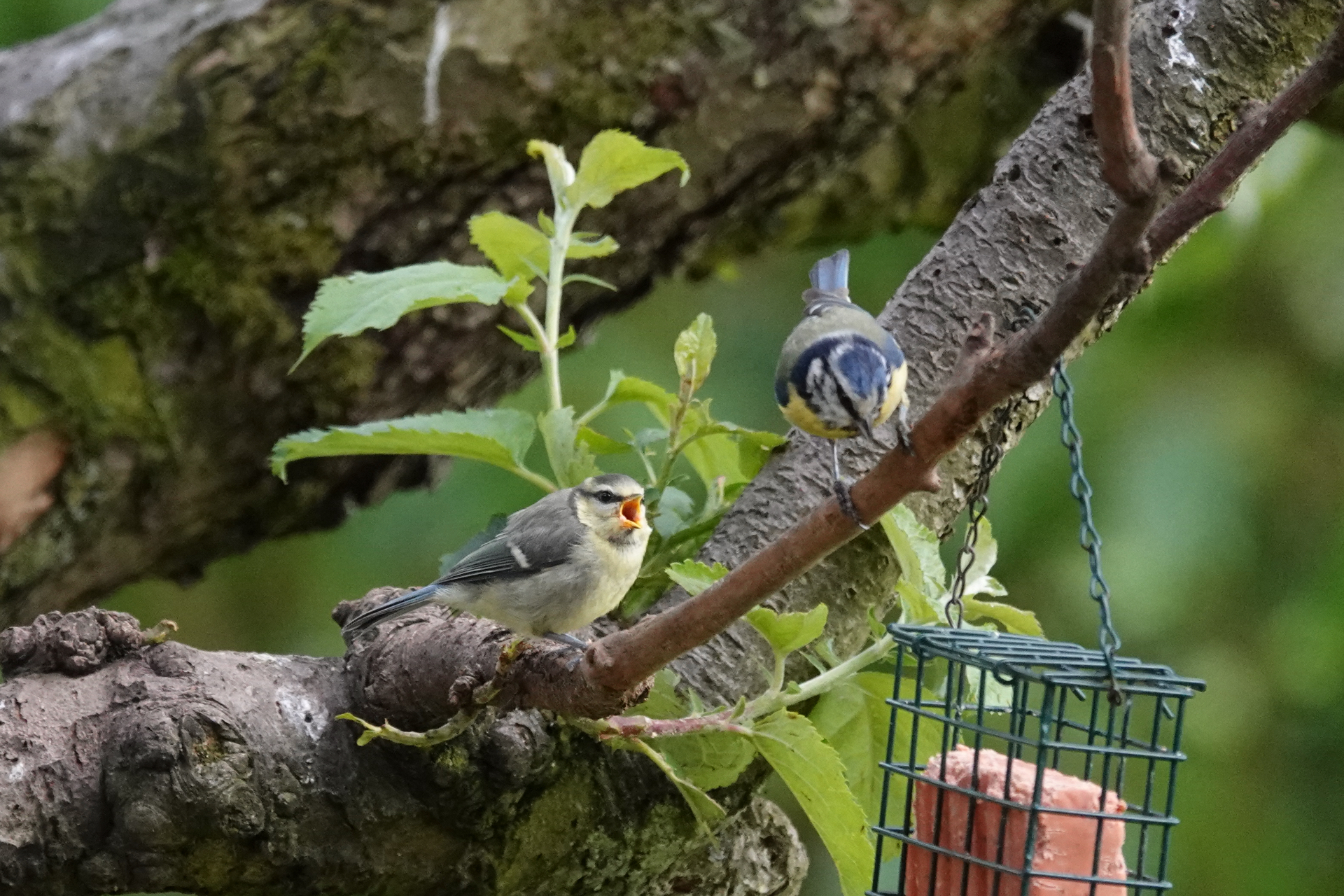
A blue tit fledgling begging an adult for food

Fledgling - 'Mummy, feed me please!'

Fledgling Blue Tits look duller and yellower in the face than their parents, and they follow the adults around begging loudly. Both parents continue feeding the young for about a week after they leave the nest box.

How it fits into North Yorkshire wildlife

Blue tits are small but hugely important in North Yorkshire woods, parks and gardens. They rely on trees for insects, holes for nesting, and connected habitat so they can move safely between feeding places.

How it interacts with the wider landscape

In spring they help control caterpillar numbers, especially around oak and mixed woodland. That makes them part of the delicate balance between trees, leaf-eating insects and the predators that keep outbreaks in check.

Seasonal rhythm

They are visible all year, but spring is the crucial season. Adults must match nestling demand with the brief flush of caterpillars that appears when leaves open.

Where to look and what to notice

Look for quick, acrobatic movement in hedges and garden feeders, or listen for bright, busy calls around nest boxes and orchard trees.